









First confirm the goals, page scope and necessary functions, and then evaluate the budget and cycle.
When there is no design draft, you can complete the information architecture and Figma page design first.
First confirm the business goals, pages, functions and necessary integrations, and then divide the requirements into those required for launch and subsequent iterations.
Quotes correspond to specific deliveries, feedback rounds, data migrations and third-party interfaces, without fixed packages to mask differences.
After going online, search performance, on-site behavior, purchase paths and operational feedback will be combined to determine the focus of the next round of optimization.
Complex functions, APIs, and Headless are not suitable for quoting on a fixed package basis. The scope and dependencies must be considered first.
First complete the information architecture and key copy, and then use Figma to confirm the visual hierarchy, component status and mobile reading order.

Confirm the system owner, interface capabilities, data direction, and failure handling before deciding to use applications, Flow, or custom APIs.


Assign backend, customer data, discount, refund and publishing permissions by role, and retain high-risk operations for review.

Check Core Web vitals, indexing, structured data, redirects, and key templates with real pages.
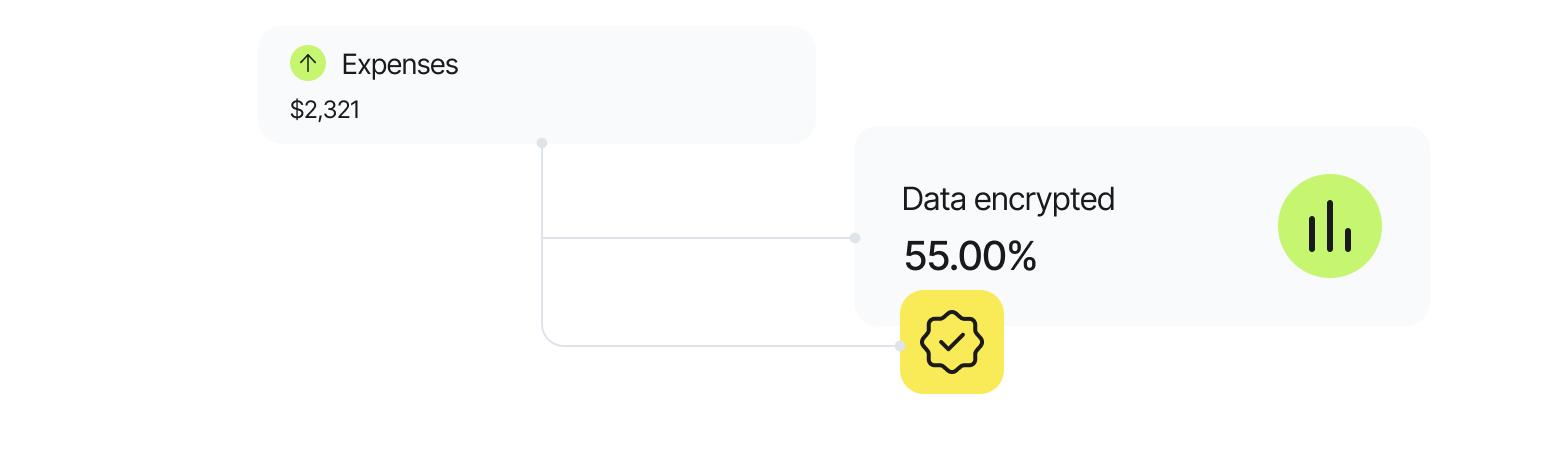
SEO requires content, structure, speed and index status to work together.

Development costs are paid based on deposit and balance payment, and long-term maintenance can be arranged as needed.
After going online, you can continue to add functions and deal with version and compatibility issues.
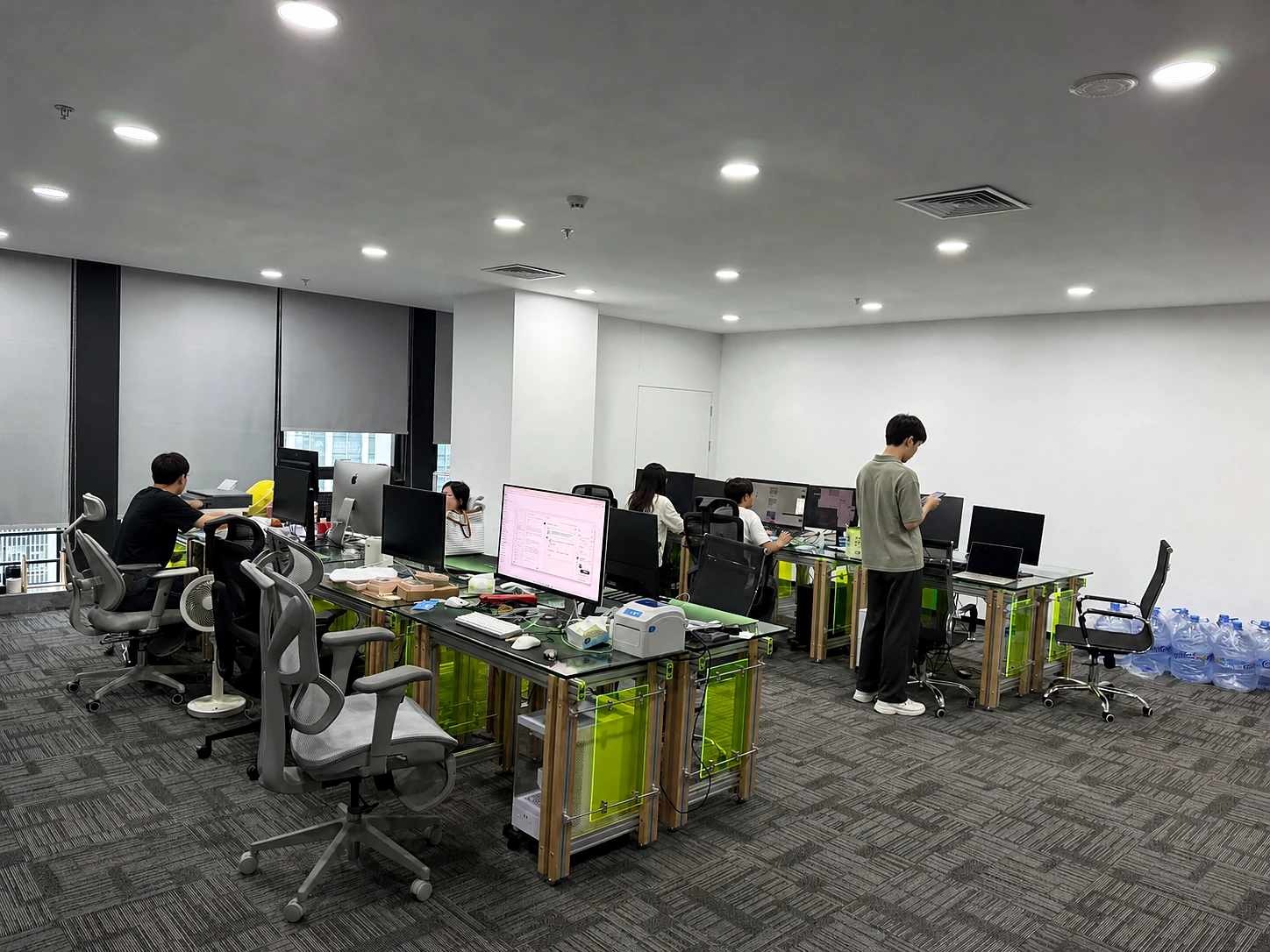

The project will not have a fixed package, but will be quoted based on actual modules and functions.
When the requirements are unclear, it is more accurate to do a scope review first than to quote directly.

Delivery, feedback windows and acceptance methods will be clearly defined at each stage.
First confirm the goals, page scope and necessary functions, and then evaluate the budget and cycle.



When there is no design draft, you can complete the information architecture and Figma page design first.
All theme pages will be checked for mobile phone, tablet and desktop adaptability.

Not only look at screenshots of the homepage, but also examine navigation, forms, shopping carts, and checkout processes on real devices.

The acceptance records are organized by problem, equipment and priority, making it easy to review and correct them one by one.
01 / Business and current situation
Sort out the target market, products, existing platforms, content assets, data scale and business processes that must be retained.
02 / Plans and Boundaries
Clarify pages, functions, migrations, integrations, delivery and acceptance methods, while marking dependencies and risks.
03 / Testing and launch
Validate mobile layouts, payments, data and SEO in staging, then launch and schedule the first review.
Development costs are paid based on deposit and balance payment, and long-term maintenance can be arranged as needed.

After going online, you can continue to add functions and deal with version and compatibility issues.



The project will not have a fixed package, but will be quoted based on actual modules and functions.


 English
  简体中文
简体中文  日本語
日本語  香港中文
香港中文  Deutsch
  繁體中文
繁體中文