
When does a separate Shopify frontend make sense?
If a standard theme can handle the job, we usually keep it. Headless becomes worthwhile when content reuse, complex interactions or multiple customer touchpoints are genuinely constrained.
Use Hydrogen when it fits the team. If you already have frontend capability, a Storefront API build may be the better route.
Product content can be cached; account and checkout data need their own handling.

A separate frontend adds another system to own
Start with the limitation, then decide how content, accounts, checkout and releases should work.
Confirm what the theme is actually blocking
Find out whether the real issue is speed, content management or interaction. Then choose a theme improvement, progressive decoupling or a full Headless build.
Store architecture and API integration
Define clear data and permission boundaries around products, search, shopping carts, customer accounts, and checkout processes.
A separate frontend should not make content harder to manage
Connect the CMS, components, previews and language rules so the content team can still edit, review and publish without developers.
Performance, SEO & Data Analysis
Simultaneously plan rendering, caching, structured data, core web metrics, event attribution and consent management.
Deployment, monitoring and ongoing maintenance
Establish processes for preview, release, error monitoring, automated testing, and API version upgrades to control long-term maintenance costs.
Decide whether Headless is worth it before choosing the stack
01 / Determine whether it is worth refactoring
Confirm the limitation first
Compare a theme build, progressive decoupling and Headless against benefit, risk, budget and long-term ownership.
02 / Run through the key pages first
Prototype one critical journey before building the whole store
Use the homepage, product page or one key purchase journey to test both customer experience and content operations.
03 / Who will maintain it after it goes online?
Test the full journey and hand over a system the team can run
Accept accounts, cart, checkout, analytics and CMS together, then document releases, monitoring and day-to-day maintenance.

A separate frontend also needs clear maintenance ownership
Choose the technology after the problem is clear
Measure more than page speed: check whether the content team can work efficiently and who will own the system after launch.
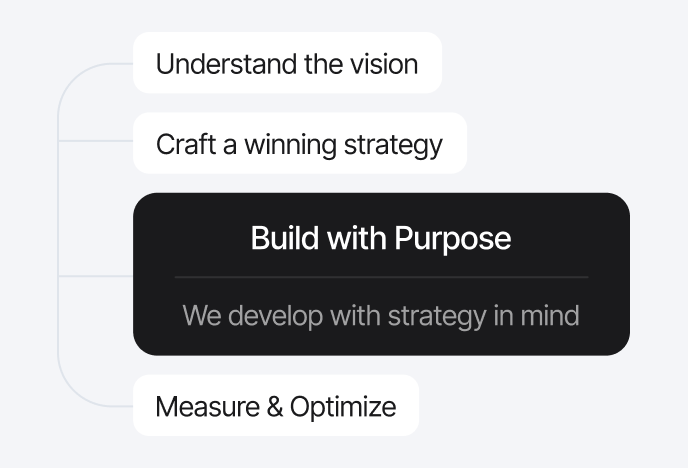
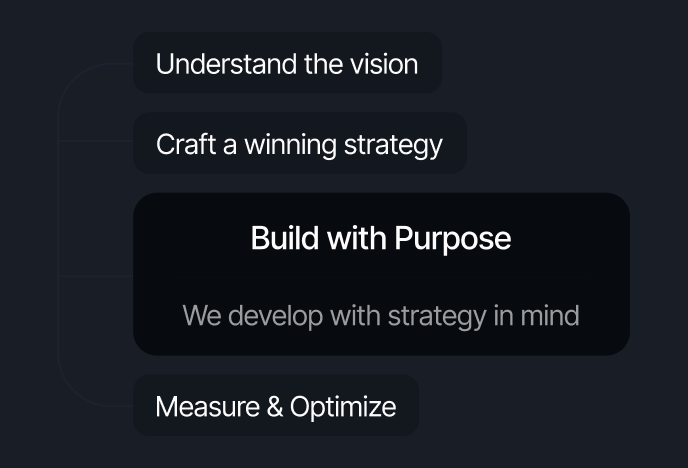
Leave a codebase the next team can extend
Keep components, data queries and ownership explicit so the next developer does not have to reverse-engineer the build.
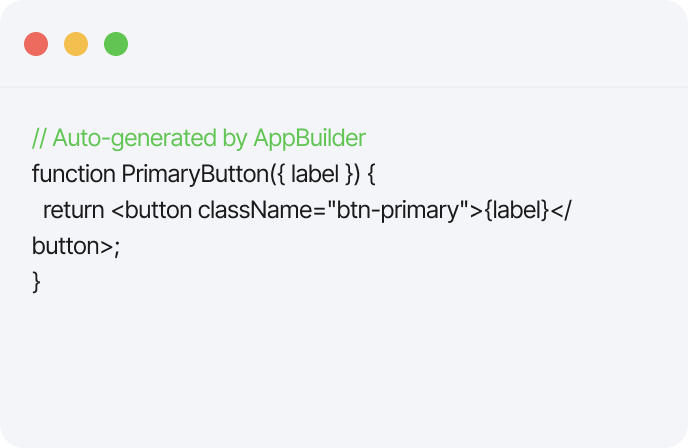
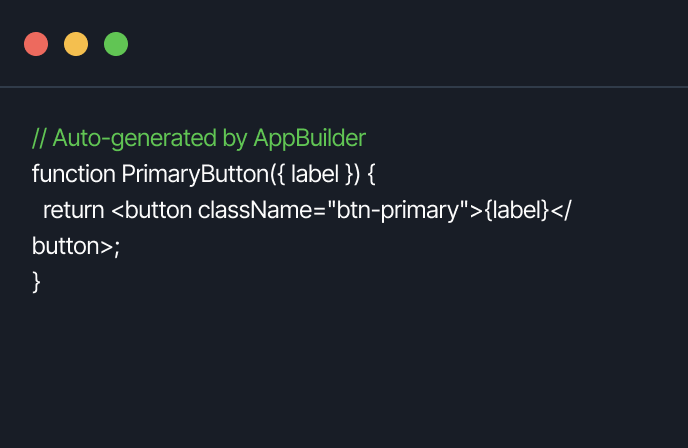
Test accounts, carts and checkout with real flows
Test previews, search, accounts, cart, checkout and SEO as complete customer journeys.


Explain scope changes as they happen
We explain why a technology was chosen, what changed in scope and where the risk sits before the work moves on.


There’s not just one way to do Headless

Progressive decoupling
Keep the current theme and checkout, then separate only the touchpoints where content or performance genuinely needs it.

Hydrogen + Oxygen
Use Shopify's official React Router stack and managed hosting path to reduce infrastructure decisions.

Own technology stack + Headless channel
Choose a frontend framework based on team capabilities and manage storefront tokens, permissions, and attribution through Headless channels.
Every technical layer must earn its place
Storefront data, content, accounts, deployment and analytics each need a clear owner and boundary.

Choose a prototype or a full rebuild according to risk
- Current Situation, Goals and Technical Limitations Interview
- Theme, Progressive vs. Headless
- Critical Path to Purchase Prototype
- Storefront API feasibility verification
- Performance, SEO and data collection baselines
- Implementation scope and maintenance cost estimates
Confirm that it is feasible and then do the whole site
Evaluate by scope
Monthly maintenance
- Content Models and Design Systems
- Hydrogen or own frontend implementation
- Storefront integration with customer accounts
- Product, shopping cart and checkout connection
- Search, analytics and consent management
- Testing, deployment and team handover
- Performance, error and interface monitoring
- Shopify API version upgrade
- CMS, search and account maintenance
- Online iteration and regression testing
- Release process and environmental governance
- Continuous review of critical conversion paths

First determine whether Headless is worth doing
Send the current site, technical constraints and the problem that must be solved. If the theme can stay, we will not rebuild the store just to call it Headless.

 English
  简体中文
简体中文  日本語
日本語  香港中文
香港中文  Deutsch
  繁體中文
繁體中文